
by Blake Herzog
The grand sweep of European history and culture means its museums are among the most lauded and visited in the world, like the Louvre and the Vatican Museums.
Yet the museum scene is always evolving as institutions expand their collections and revamp their presentations. Nobody knows this better than the European Museum Forum, which bestows the annual European Museum of the Year Award.
If possible, you should make time for at least one of the three most recent winners in your next European adventure.
Den Gamle By (Aarhus, Denmark)
Its name translates to “the old town,” and the 2026 winner is a vast open-air and underground museum, with 75 historic buildings that provide an immersive education about the area’s urban development with the help of period reenactors.
Four re-created neighborhoods display streetscapes inspired by 1864, 1927, 1974 and the 2000s (the latter incorporates a Blockbuster store). You can see, taste, buy and experience the history there and in other displays on the grounds, including one on how a house was relocated to the site.
The Manchester Museum (Manchester, England)
Located at the heart of the neo-gothic buildings at the core of the University of Manchester, this massive natural and human history museum has amassed more than 4 million artifacts and fossils, starting with an Asian elephant skeleton and a huge Japanese incense burner in the welcome area.
Twelve galleries house permanent exhibits focused on everything from minerals to archaeology to the importance of belonging for humans. The Vivarium showcases a collection of live reptiles and amphibians, among them many critically endangered species.
Sámi Museum Siida (Inari, Finland)
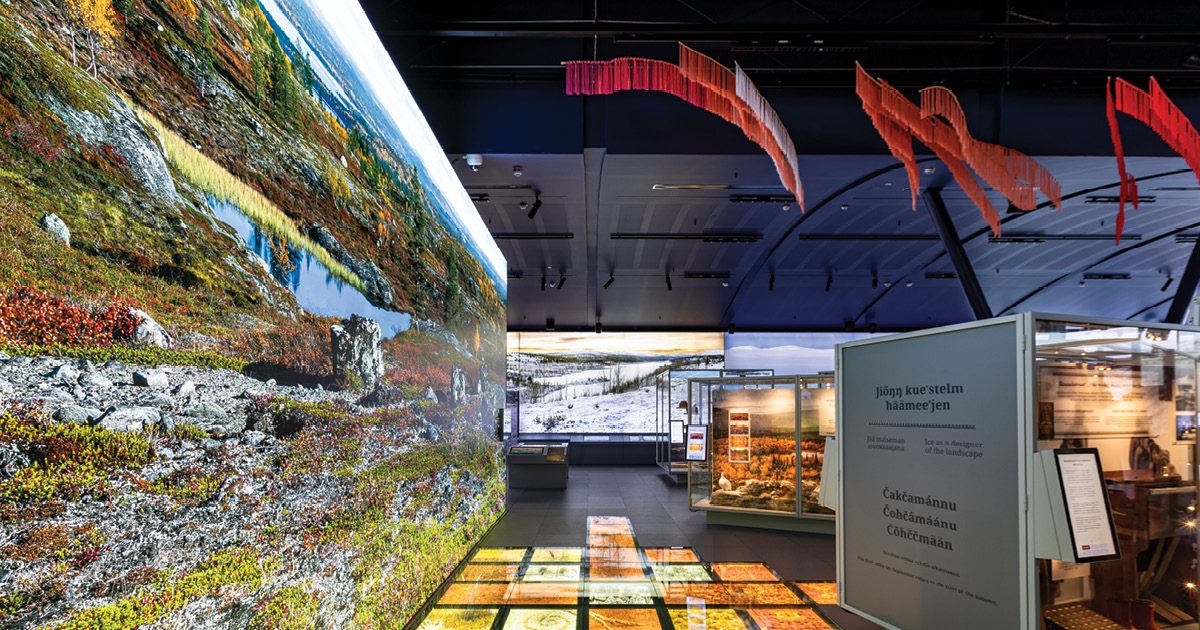
Built for the true adventurer, this museum is north of the Arctic Circle and is a deep dive into the lives and culture of the Sámi (previously known as Laplanders), Europe’s only recognized indigenous people.
The main exhibit links Sámi culture and the harsh northern climate they live within. The open-air portion has almost 50 structures depicting how they have lived here across their almost 10,000-year history.


